Bay & Bloor (416) 972-0337 | Yonge & Eglinton (416) 489-0337
Yorkville (416) 972-0337
Mid-Town (416) 489-0337
Chemical Peels vs Laser Resurfacing: Which Fits Your Skin?
Understanding the Core Difference
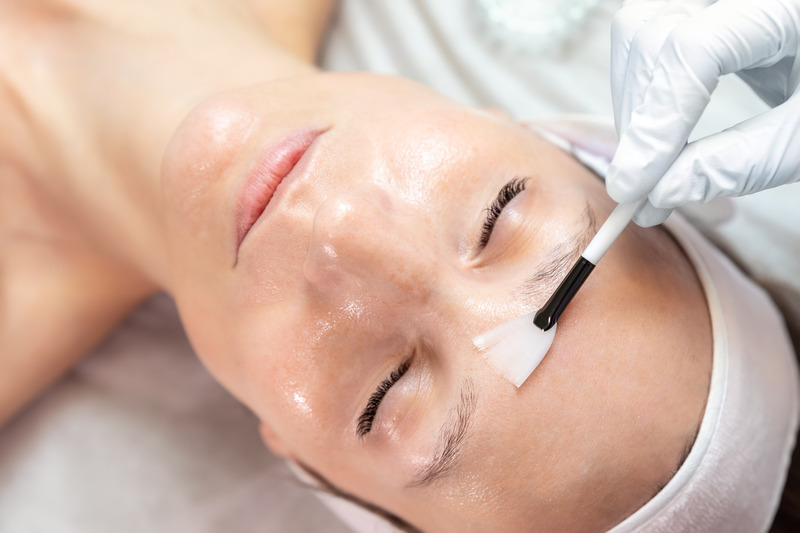
Damaged surface layers are removed with acids in chemical peels, while deeper tissue is targeted by focused light energy in laser resurfacing. Depth of treatment is the main distinction here; recovery time and results are both shaped by it. Mild dullness might be resolved by a peel in a weekend. Laser resurfacing, on the other hand, is built for more stubborn concerns, like deep acne scarring or sun damage built up over years. Neither option is universally “better.” It depends, I suppose, on what’s actually being treated, generally speaking. This is usually the first thing discussed during a skin consultation, before anything else gets decided.
Where Chemical Peels Tend to Shine
Surface pigmentation, mild texture irregularities, and dullness that doesn’t respond to at-home skincare are often treated first with peels. Peels tend to be gentler, which makes them a reasonable starting point for people newer to professional treatments. One Toronto client, a mid-30s professional managing melasma after years of sun exposure, had her tone evened out by a series of peels, without the downtime a laser would have required. Peels can be layered in strength too, from light glycolic treatments to deeper TCA formulas; that flexibility is part of why they remain popular. Bit by bit, most clients find their comfort level. Interesting how that works, honestly.
Where Laser Resurfacing Takes Over
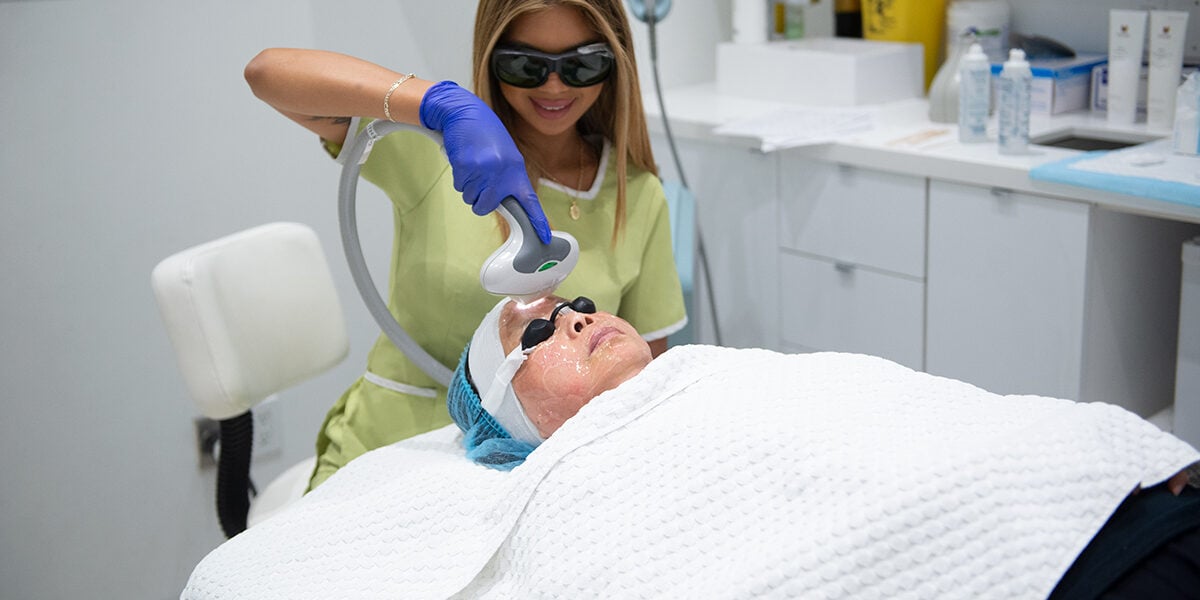
Laser resurfacing is typically recommended when the concern sits deeper than the outer skin layer. Acne scarring, deep wrinkles, and sun damage that’s changed the skin’s texture usually respond better to laser energy than to acids. Collagen production is stimulated over time by fractional lasers in particular, rather than just the top layer being resurfaced. This tends to mean better long-term structural improvement, though more downtime comes with it too. For clients focused on stubborn scarring rather than surface tone, laser resurfacing is often the more direct route.
Skin Tone Considerations
This is where things get more nuanced. A higher risk of post-treatment pigment changes is carried by darker skin tones when aggressive laser settings are used, so peels or gentler non-ablative lasers are often prioritized instead. Fair or fair-to-medium skin tends to tolerate a wider range of laser strengths. It’s not that one skin tone is excluded from either treatment; the approach just gets adjusted, sometimes more than clients expect. A Fitzpatrick skin type assessment is often done during consultation, in many cases, to guide which technology, and which intensity, makes sense.
Lifestyle and Downtime Realities
Someone working a demanding schedule in downtown Toronto probably doesn’t have a week to hide indoors post-treatment. This is often the deciding factor, more than the science itself. A weekend is usually enough time for light peels to be scheduled, with minimal visible recovery. Deeper peels or ablative lasers usually require more planning; redness, peeling, and sensitivity can last several days to over a week. Slower periods, holidays, or extended weekends are often recommended by clinics for booking these treatments. That sounds simple on paper, but once the downtime conversation actually happens, the choice tends to become clearer on its own. Probably enough said there.
Combining Both for Layered Results
It’s not unusual for a treatment plan to include both approaches. Skin might be prepped for a laser session with a peel first, improving how it responds. Or peels get worked in between laser treatments, to maintain results and address surface tone in the gaps. This layered strategy is fairly common among clients targeting multiple concerns at once, like pigmentation and deeper scarring. More even results are often produced by staggered approaches than by relying on a single method alone, according to available data on combination treatments. Over time, this becomes clearer, in a way, through repeated visits.
Making the Right Call for Your Skin
There’s no universal answer here, and that’s fine. An honest assessment of skin type, tone, downtime tolerance, and the specific concern being addressed matters more. FDA and Health Canada-approved technology is used by Bellair Laser Clinic across both peel and laser treatments, with licensed medical professionals guiding the process from the first consultation onward. If you’re trying to figure out which route fits your skin, a proper evaluation is the clearer next step, rather than guessing based on general advice. Visit Website to book a consultation and get a plan built around your actual skin, not a generic one.
FAQ
Q: Which treatment works better for acne scarring? Stronger results for pitted or textured acne scars are generally produced by laser resurfacing, since deeper layers of skin are reached in the process. Surface discoloration left behind by acne can be helped by peels, but collagen isn’t rebuilt, not really, the way a laser rebuilds it. A combination approach is often suggested after assessment, for clients with a mix of both concerns.
Q: Is one option safer for darker skin tones? Medium to deep skin tones are often started on chemical peels first; a higher risk of pigment changes is carried by aggressive lasers in melanin-rich skin. That said, certain non-ablative lasers have been developed specifically to reduce this risk. What’s safe is actually determined by a proper consultation, not by skin tone alone.
Q: How much downtime should I expect? Downtime varies by treatment strength. A day or two of flaking might follow a light peel, while a week or more of visible recovery can be required after a deep peel or ablative laser. Slower weeks or long weekends are often chosen by clients for this reason.
Q: Can I combine chemical peels and laser resurfacing? Yes, and this is fairly common. Skin is sometimes prepped with a peel before a laser session, or peels are spaced between laser treatments to maintain results. A treatment plan being adjusted after the first round isn’t unusual, based on how skin responds.
Fall into Savings
Select LASER +TECH 30% OFF for a limited time only.
Treatments expire 24 months from date of purchase.