Bay & Bloor (416) 972-0337 | Yonge & Eglinton (416) 489-0337
Yorkville (416) 972-0337
Mid-Town (416) 489-0337

Laser Hair Removal for Darker Skin Tones: Is It Safe?
Why Skin Tone Used to Be a Bigger Barrier
For a long time, laser hair removal carried a reputation problem in darker-skinned communities, and honestly, that reputation wasn’t unearned. Lighter skin was used as the baseline when early laser systems were calibrated, which meant the laser’s energy was sometimes absorbed by the skin’s own pigment instead of the hair follicle. Burns, scarring, and uneven pigmentation followed, in some cases. That history still shapes how many people approach the decision today, even though the technology has moved on considerably since then.
What Changed With Nd:YAG Technology
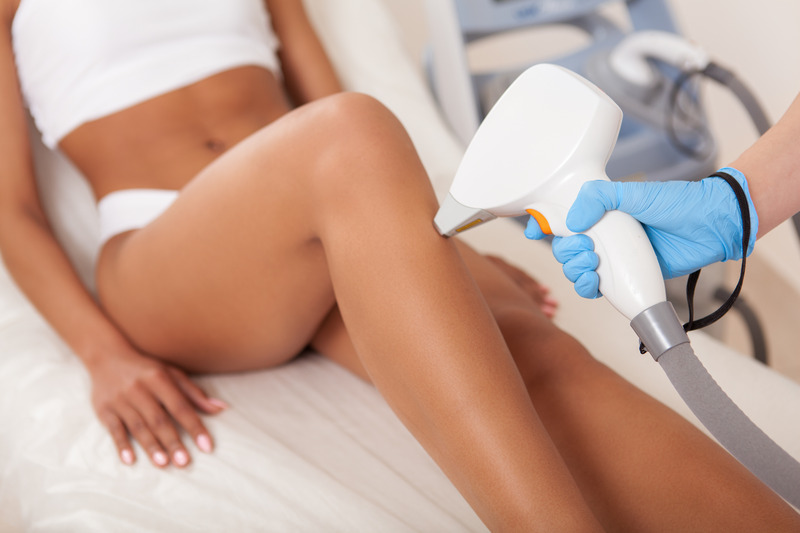
A longer wavelength is used by Nd:YAG lasers than by older alexandrite or IPL devices, and this matters more than it sounds. The hair follicle gets targeted with more precision as the longer wavelength travels deeper into the skin while mostly bypassing surface-level melanin. In practice, treatment has been made considerably safer for medium to deep skin tones by this shift. It’s not a perfect fix for every case; still, it’s probably the single biggest advance in this area over the past decade or so. Interesting how that works.
Provider Skill Still Matters More Than People Think
Equipment alone doesn’t guarantee a good outcome. The laser’s settings, the pulse duration, the cooling method; all of it needs to be adjusted based on skin tone, hair color, and treatment area. Different parameters will typically be used by a provider in Toronto treating a client with Fitzpatrick type V skin than one treating type II. This is where licensed, medically supervised clinics tend to separate themselves from lower-cost alternatives that rely on undertrained staff. Depending how you look at it, the technology is only half the equation.
A Realistic Look at the Consultation Process
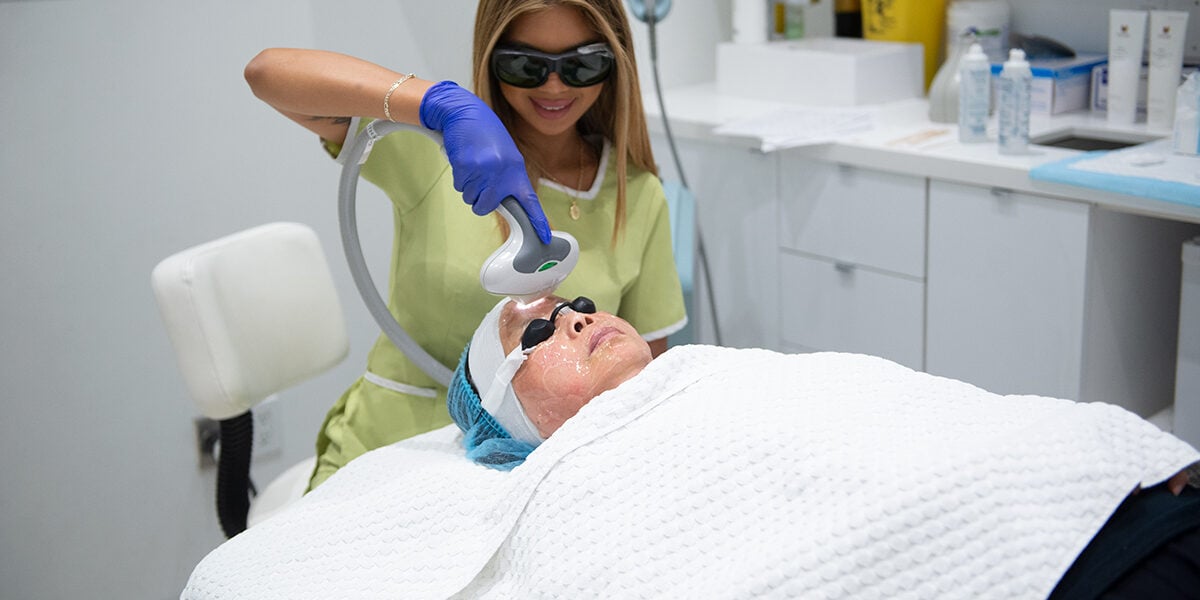
Before any treatment begins, skin type, hair color, medical history, and any prior reactions to laser or light-based treatments should be assessed during a proper consultation. At Bellair Laser Clinic, this step is treated as non-negotiable, not a formality to rush through. Clients are often surprised by how much the consultation shapes the treatment plan itself, in a way. It’s here that expectations get set, realistically, around timelines and likely outcomes rather than guesswork.
Common Concerns Clients Bring Up
Questions about burns, uneven results, or “will this even work on my skin” come up often, and these are reasonable questions to ask. In many cases, bad experiences with outdated equipment elsewhere are behind these concerns, not any inherent limitation of the treatment itself. One client, a Toronto professional in her late thirties, had been told years earlier that laser hair removal simply wasn’t an option for her skin tone. It was, once the right laser and provider were involved. Anyway, that’s usually where it clicks, for people who’ve been hesitant.
Aftercare Plays a Bigger Role Than Most Expect
Sun exposure, certain skincare actives, and even friction from tight clothing, all of it can affect how skin responds after treatment, particularly for melanin-rich skin. Aftercare guidelines are generally provided by clinics for a reason. These aren’t just precautionary suggestions; often, they’re the difference between a smooth recovery and unwanted pigment changes. Following them isn’t complicated, but some attention is needed for the first week or two after each session. Probably enough said on that.
Choosing a Clinic That Treats This Properly
Not every clinic is equipped, literally or otherwise, to treat darker skin tones safely. Health Canada approval status, the specific laser technology in use, and the provider’s training all deserve a direct question during a consultation, not an assumption. Medical-grade, Health Canada-approved technology suited to a broad range of skin tones is used at Bellair Laser Clinic, with treatments administered by licensed professionals who assess each case individually. If you’re in Toronto and weighing your options, it’s worth starting with a clinic that treats this as a clinical decision, not a one-size-fits-all service. Visit Website to book a consultation and get a straightforward read on what to expect, for your skin.
FAQ
Is laser hair removal riskier for darker skin?
It can be, if the wrong laser is used. Older IPL and alexandrite systems were built with lighter skin in mind, and too much pigment tends to get absorbed on darker tones, which raises the risk of burns or discoloration. Nd:YAG technology was developed specifically to address this gap. With the right equipment and a properly trained provider, the risk profile narrows considerably.
What laser type is best for darker skin tones?
Nd:YAG is generally considered the gold standard here. A longer wavelength is used, one that passes through the top layers of skin with less pigment absorption, reaching the hair follicle more selectively. Other laser types may still work depending on hair color and density, but Nd:YAG is usually the safer starting point for melanin-rich skin.
How many sessions are needed to see results? S
omewhere between six and eight sessions are typically needed, spaced four to six weeks apart, before meaningful hair reduction is seen. Darker skin doesn’t necessarily require more sessions, though hair coarseness and hormonal factors can extend the timeline for some. A consultation is really the only way to get a realistic estimate.
Can laser hair removal cause hyperpigmentation?
Temporary darkening or lightening of the skin is possible after treatment, particularly in melanin-rich skin, but it’s typically not permanent. This risk is raised by sun exposure before or after sessions, so strict sun protection is generally recommended by clinics during the treatment window. Most pigment changes tend to resolve within a few weeks once proper aftercare is followed.
Fall into Savings
Select LASER +TECH 30% OFF for a limited time only.
Treatments expire 24 months from date of purchase.