Bay & Bloor (416) 972-0337 | Yonge & Eglinton (416) 489-0337
Yorkville (416) 972-0337
Mid-Town (416) 489-0337

Microneedling vs. Chemical Peels: Which One Is Better?
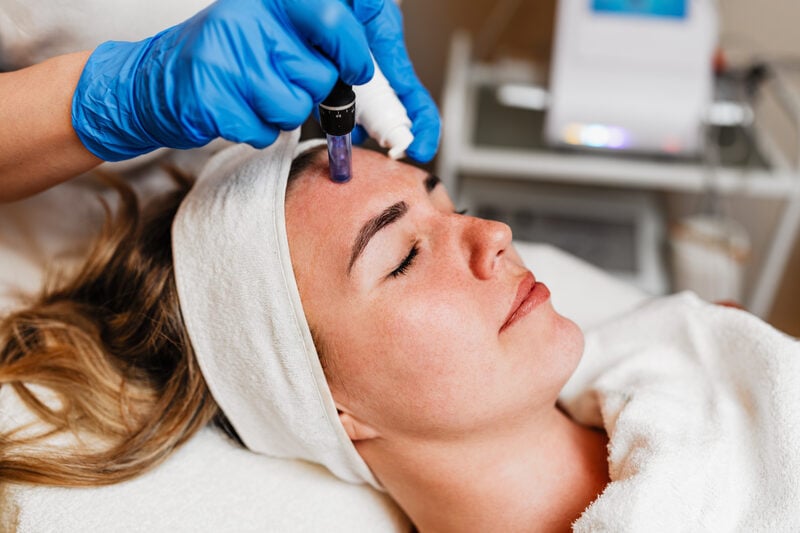
When it comes to achieving healthier, younger-looking skin, many individuals often find themselves torn between two popular treatments: microneedling and chemical peels. Both methods offer unique benefits, but understanding their differences can help you make an informed decision about which treatment is best suited to your skin goals.
What Is Microneedling?
Microneedling involves using a specialized device to create tiny, controlled micro-injuries in the skin. This process stimulates the body’s natural healing response, prompting the production of collagen and elastin. So why is this important? Collagen and elastin are vital proteins that play key roles in maintaining the skin’s firmness and elasticity.
Benefits of Microneedling
- Improves Skin Texture: By promoting collagen production, microneedling helps smooth uneven skin texture and reduce the appearance of fine lines and wrinkles.
- Reduces Scarring: It’s particularly effective for treating acne scars. By inducing the healing process, microneedling helps to minimize scarring over time.
- Enhances Product Absorption: The micro-channels created can also improve the absorption of topical treatments, making them more effective.
- Safe for Most Skin Types: Microneedling is generally safe for all skin types and tones, making it a versatile option for many individuals.
What Are Chemical Peels?
Chemical peels involve applying a solution to the skin that exfoliates and removes dead or damaged skin cells. There are various types of chemical peels, ranging from superficial peels using alpha-hydroxy acids (AHAs) to deeper peels using trichloroacetic acid (TCA) or phenol.
Benefits of Chemical Peels
- Immediate Results: Many patients notice an instant improvement in their skin’s appearance after a chemical peel. It effectively removes the top layers of damaged skin, enhancing skin tone and texture.
- Treats a Variety of Conditions: Chemical peels can address a range of skin issues, including sun damage, discoloration, and fine lines.
- Frequent Treatments: Patients can undergo superficial peels more frequently than more invasive options, allowing for regular skin rejuvenation.
- Skin Tightening: Some chemical peels can tighten the skin, providing a lifted appearance without the need for surgery.
How Do They Compare?
Both microneedling and chemical peels yield impressive results, but they are suited for different skin concerns.
- Treatment Depth: Chemical peels generally target the skin’s surface, while microneedling works deeper in the dermis to promote collagen production.
- Recovery Time: Microneedling may require a longer recovery time due to the micro-injuries it creates, while superficial chemical peels often have little to no downtime.
- Conditions Treated: Microneedling is ideal for scarring and sagging skin, while chemical peels shine in treating pigmentation and sun damage.
Choosing the Right Option for You
Selecting between microneedling and chemical peels depends on your skin type, specific concerns, and desired outcomes. At Bellair Laser Clinic, our team of skilled practitioners will conduct a detailed assessment to recommend a treatment plan tailored to your needs.
Both microneedling and chemical peels provide excellent options for rejuvenating and revitalizing your skin. By understanding their distinct benefits, you can make an informed decision about which treatment best aligns with your skincare goals. If you’re ready to explore your options, contact Bellair Laser Clinic today to schedule a consultation. Our experienced staff is here to guide you on your journey toward radiant skin!
Whether you choose the deep rejuvenation of microneedling or the immediate results of chemical peels, our mission is to help you achieve the beautiful, youthful skin you deserve.
Fall into Savings
Select LASER +TECH 30% OFF for a limited time only.
Treatments expire 24 months from date of purchase.