Bay & Bloor (416) 972-0337 | Yonge & Eglinton (416) 489-0337
Yorkville (416) 972-0337
Mid-Town (416) 489-0337

Hyperpigmentation & Sun Damage Treatments in Toronto
Why Pigmentation Shows Up the Way It Does
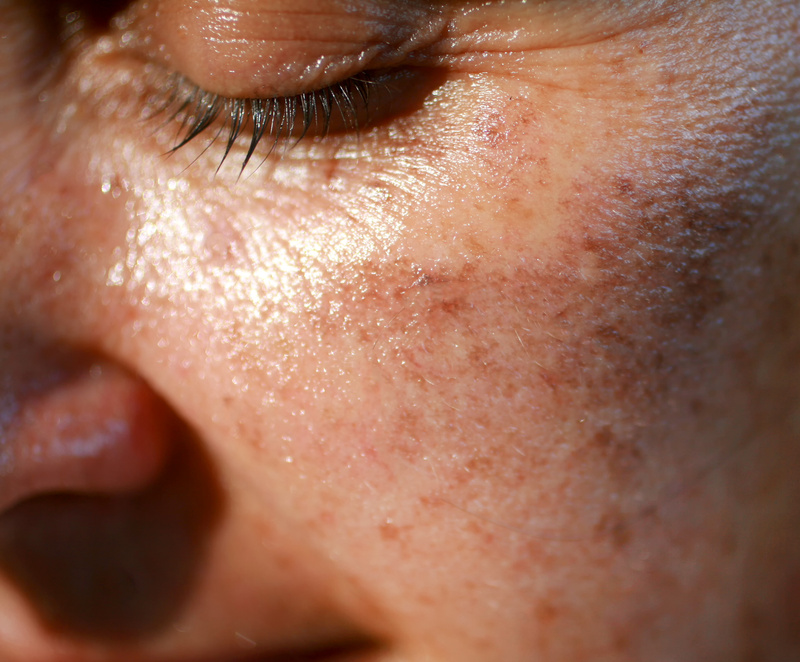
Skin doesn’t discolor randomly. Melanin production is ramped up in response to UV exposure, hormonal shifts, or inflammation, and over time that pigment settles unevenly. In Toronto, where winters are long but UV exposure never fully disappears, quite a few clients are surprised to learn their pigmentation started years before it became visible. It was likely triggered by summer exposure, then aggravated slowly, sometimes without them noticing. This is why single-session fixes rarely work; the damage was built gradually, so a staged approach tends to work better.
What Actually Happens During a Consultation
A proper consultation involves skin typing, a history of sun exposure, and usually a Wood’s lamp or visual assessment, used to determine how deep the pigment sits. This step is skipped at some walk-in spas, which is part of why results vary so wildly across providers. At Bellair, treatment plans are built after this assessment, not before it. One client, a mid-40s marketing professional from midtown Toronto, mentioned she’d tried three at-home devices before her first visit. None had addressed the actual depth of her pigmentation.
IPL Photofacials: The Common Starting Point
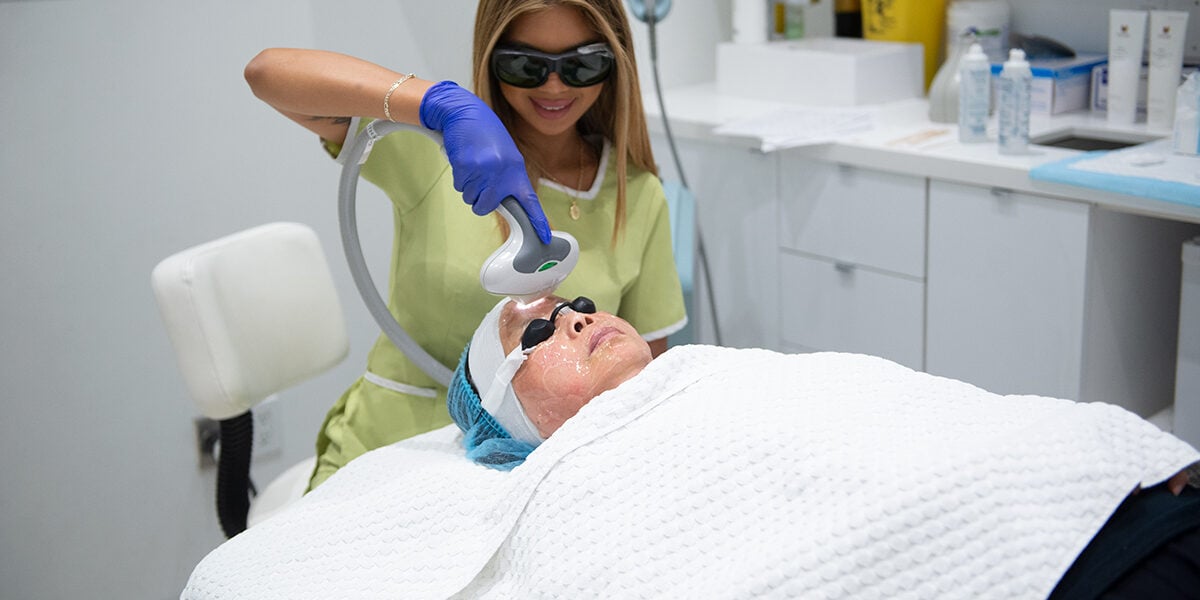
IPL is often recommended first for surface-level sun damage, freckling, and mild rosacea-related redness. Pigment is targeted with broad-spectrum light, causing it to darken slightly before flaking off over the following week or two. Sessions are typically spaced three to four weeks apart. Downtime is minimal, though slight redness afterward is common. For a lot of GTA professionals balancing work schedules, this makes IPL a practical entry point.
Laser Toning for Deeper or Resistant Pigment
When pigment sits deeper in the dermis, IPL alone often isn’t enough. Using Q-switched or picosecond technology, pigment is broken into smaller particles by laser toning, which the body then clears naturally over subsequent weeks. This method tends to be favored for melasma-adjacent cases, or for pigmentation that hasn’t responded to peels. It requires patience; visible change is usually built gradually across sessions rather than all at once. That’s often where it clicks, for clients who’ve tried everything else first.
Chemical Peels and Where They Fit In
Peels remain relevant, particularly for clients dealing with both pigmentation and texture concerns like acne scarring. Medical-grade peels are formulated differently than versions sold for home use, and are applied under professional supervision so depth and risk can be controlled. In many cases, peels are layered into a plan alongside laser treatments rather than used alone. This combination approach is common among Toronto clinics treating sun damage that’s accumulated over a decade or more.
Maintaining Results Once Treatment Ends
Pigment tends to return without consistent SPF use, especially in a climate where sun exposure feels seasonal but technically isn’t. Daily SPF 30 or higher, combined with periodic maintenance sessions, is generally recommended after treatment. Some clients underestimate this step, assuming the work is done once the last session ends. It usually isn’t. Probably enough said on that.
Choosing a Clinic That Treats This Properly
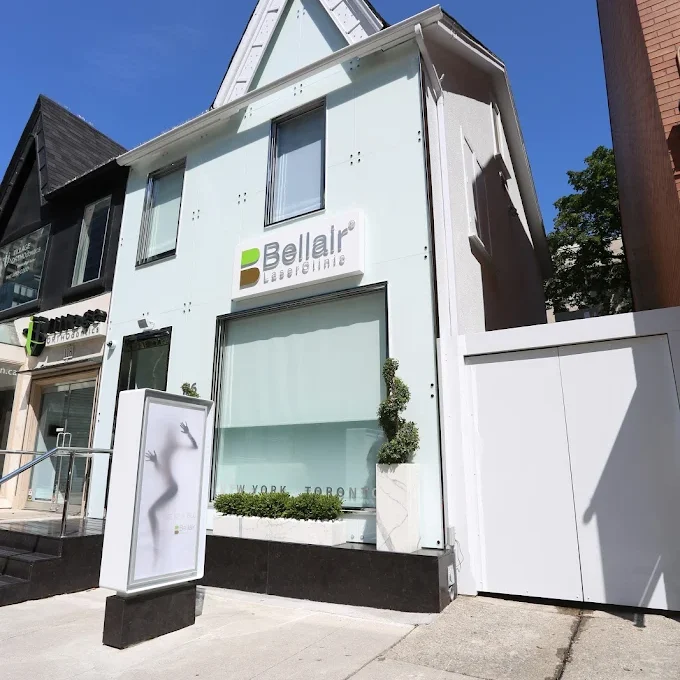
Not every med spa in the GTA is equipped with the same technology or training behind their pigmentation treatments. Health Canada-approved technology is used by Bellair Laser Clinic, and each treatment plan is overseen by licensed medical professionals, which matters more with pigmentation than with most other cosmetic concerns, given the risk of uneven results on darker skin tones. If sun damage or pigmentation has been sitting unaddressed for a while, a proper consultation is the reasonable next step. Visit Website to book one with Bellair Laser Clinic.
FAQ
Q: What’s the difference between laser toning and a chemical peel for pigmentation? Pigment beneath the skin’s surface is broken down by laser toning through targeted light energy, while chemical peels work by exfoliating the top layers. Laser tends to suit deeper, or more stubborn, pigmentation. Peels are often better for surface-level discoloration or texture concerns. Both methods are used by many Toronto clinics, including Bellair, depending on the case.
Q: How many sessions are usually needed to see results? A difference is typically noticed by most clients after 2 to 3 sessions, though full results are usually seen closer to session 4 or 5. This depends on how deep the pigment sits and how the skin responds. Fair skin tends to show changes faster; darker skin tones need more conservative settings to avoid irritation.
Q: Is it safe to get these treatments if I have darker skin? Yes, though the settings and device type matter quite a bit here. A higher risk of post-treatment discoloration is carried by certain lasers on deeper skin tones, so a proper Fitzpatrick assessment before treatment isn’t optional; it’s necessary, to be fair. Intensity is adjusted accordingly by a qualified clinic, rather than a one-size approach being used.
Q: Will pigmentation come back after treatment? It can, particularly if sun exposure continues without protection. Pigmentation is largely UV-driven, so results are often maintained rather than permanent unless SPF becomes part of the daily routine. Maintenance sessions are sometimes booked by clients once or twice a year.
Fall into Savings
Select LASER +TECH 30% OFF for a limited time only.
Treatments expire 24 months from date of purchase.