Bay & Bloor (416) 972-0337 | Yonge & Eglinton (416) 489-0337
Yorkville (416) 972-0337
Mid-Town (416) 489-0337

Medical-Grade Skin Rejuvenation vs Spa Facials | Toronto

The Confusion Starts With the Word “Facial”
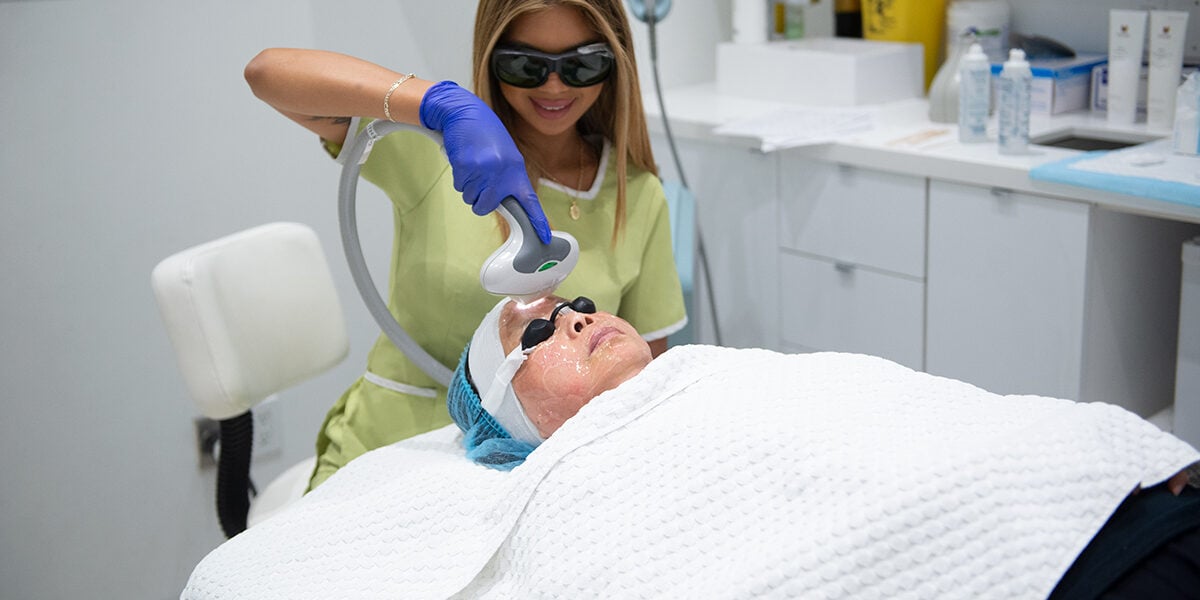
“Facial” gets used as a blanket term by a lot of people, and that’s part of the problem, I suppose. A spa facial usually involves cleansing, exfoliation, a mask, and maybe some light extractions. It feels good; skin is often left looking brighter for a day or two. Medical-grade rejuvenation belongs to a different category entirely. Devices that stimulate collagen production, or target pigment at a cellular level, are typically what it’s built around. The tools, and the training required to use them, set the two apart almost immediately.
Depth of Treatment Is the Real Divider
Most spa facials work on the skin’s outer layer, the epidermis. The dermis, where collagen and elastin are produced, is generally what medical-grade treatments are designed to reach. This is roughly where fine lines and acne scarring actually originate. A client in downtown Toronto once described her first laser session as “nothing like a facial, but somehow more relaxing,” which, oddly enough, tracks with what many patients report. Depth is where the real work happens, depth; that much seems consistent across cases.
Who’s Allowed to Perform the Treatment Matters
This part gets overlooked a lot, to be fair. Standard facials are usually performed by estheticians, who are skilled at skincare but not licensed to operate medical devices. Nurses or doctors, by contrast, typically administer medical-grade rejuvenation, especially when lasers or injectables are involved. That distinction exists for safety reasons, not just branding. In Ontario, this separation is taken fairly seriously, and for good reason.
Technology Changes the Timeline for Results
Instant gratification tends to be offered by spa treatments, glowing skin right after the appointment, though it fades quickly. Medical-grade rejuvenation works differently. Results build over weeks; sometimes months, as stimulation is responded to by the body. This is where a lot of first-time clients get impatient, expecting an overnight transformation. It rarely works that way, and clinics that promise otherwise should probably raise a flag.
Cost Reflects More Than Just the Experience
A spa facial in Toronto might run $80 to $150. Medical-grade treatments cost more, often several hundred dollars per session; that price difference isn’t just about ambiance. The equipment, the regulatory approval process, and the training required by the performing professional are all reflected in it. For someone dealing with stubborn pigmentation or deep acne scarring, the higher cost is often justified by the results. Whether it’s worth it depends, honestly, on the specific concern being treated.
Consultations Look Different Too
At a standard spa, a facial is often booked without much discussion, walk in, relax, walk out. Medical-grade clinics usually start with a consultation, where skin history, medications, and treatment goals are reviewed before anything begins. This step exists because the treatments carry more intensity, and the right technology has to be matched to the right skin type. Skipping this step is one of the more common mistakes made by people chasing quick results. Over time, that’s usually where it clicks for most clients, sometimes.
Choosing the Right Path Forward
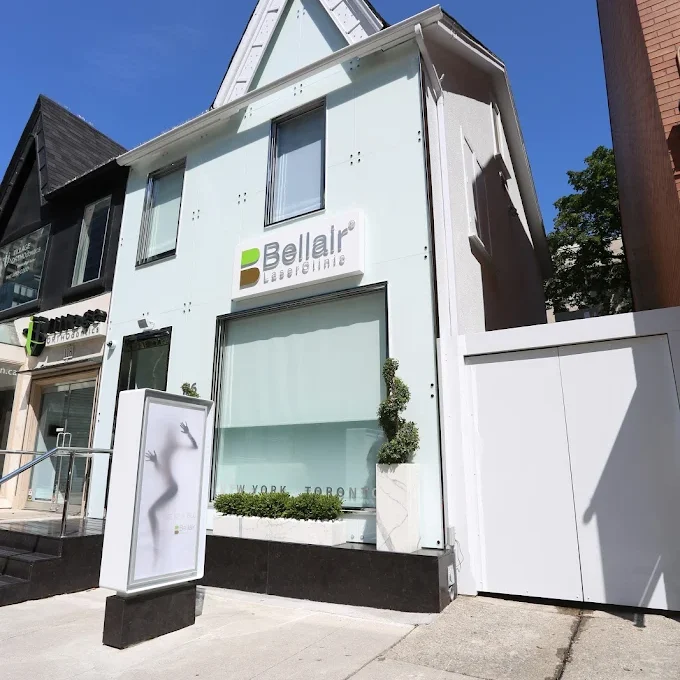
Deciding between a spa facial and medical-grade rejuvenation really depends on the goal. Surface refreshment, occasional pampering, a facial works fine. Long-term changes to pigmentation, fine lines, or acne scarring; that calls for something with more clinical backing. Probably enough said on that front. The latter is where Bellair Laser Clinic’s focus sits, with Health Canada approved technology administered by trained medical staff across our Toronto location. If deeper, lasting results are the goal, Visit Website to book a consultation and see what fits your skin.
FAQ
Q: What makes a treatment “medical-grade” instead of spa-grade?
Medical-grade generally refers to technology that has been tested and approved by regulatory bodies like Health Canada or the FDA. These treatments are usually administered by licensed medical professionals, not estheticians, since deeper skin levels are involved. That depth cannot be replicated by a basic facial, no matter how good the products are.
Q: Can spa facials still be useful alongside medical treatments?
Yes, in many cases they complement each other well. Short-term hydration and relaxation might be helped by a facial, while long-term concerns like pigmentation or scarring are addressed by a medical-grade treatment. For most clients, it’s not really an either-or situation.
Q: How long do results from medical-grade rejuvenation typically last?
Results vary by treatment type and individual skin, though results lasting months rather than days are offered by many medical-grade options. Laser-based treatments, for example, often show gradual improvement over several weeks as collagen rebuilds. Spa facial results, meanwhile, tend to fade within a few days to a week.
Q: Is medical-grade skin rejuvenation safe for all skin types?
Safety depends on the specific technology and the person’s skin type; this is why a consultation matters. Skin tone, sensitivity, and medical history are assessed by reputable clinics before any treatment is recommended. This step is often skipped at standard spas, which can lead to uneven results or irritation.
Fall into Savings
Select LASER +TECH 30% OFF for a limited time only.
Treatments expire 24 months from date of purchase.